
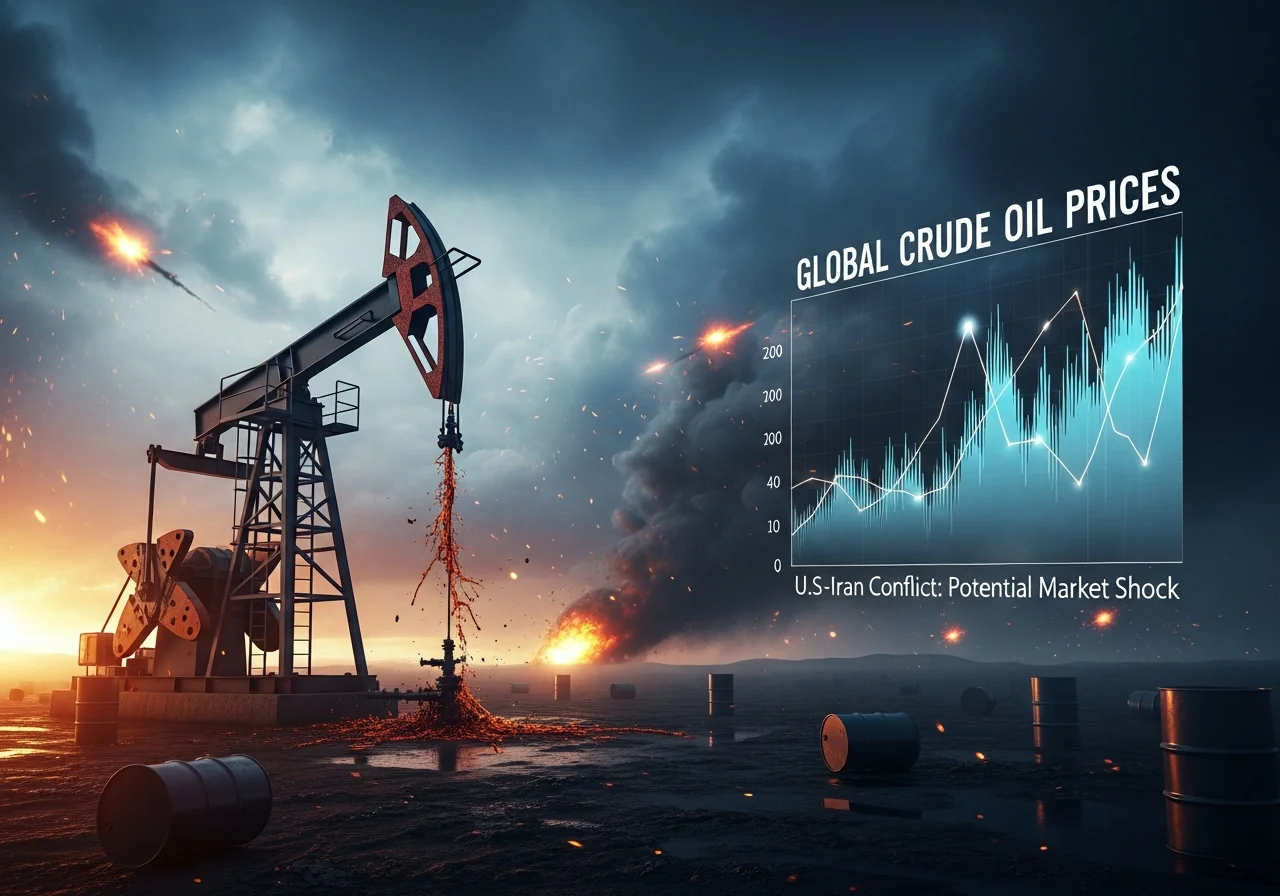
Welcome energy enthusiasts and curious minds! This week we’re diving into one of the biggest “what ifs” in global economics: what if tensions between the US and Iran turn into a direct conflict and what that could do to the price and supply of crude oil? This is a story worth following, whether you’re an investor, a commuter, or just someone who wants to understand the forces that shape your gas bill.
Why the US-Iran dynamic is important for oil
Let’s set the scene. The US and Iran are no ordinary countries. They are both heavyweights in the global political arena, with a strong influence on the energy market. Iran sits on top of some of the world’s largest oil reserves and is a key player in OPEC. The US is meanwhile a major consumer and producer of oil and its foreign policy often sets the tone for wider economic trends.
When these two countries clash, the world is watching, especially oil markets. Prices can spike at the faintest hint of conflict as traders anticipate possible supply disruptions or sanctions. But what would full-scale war mean?
The Immediate Effect: Price Spikes and Market Fear
First of all, any direct confrontation might send crude oil prices soaring. That’s why:
Risks in the Strait of Hormuz:
About a fifth of the world’s oil passes through this narrow strait off Iran’s southern coast. Disruption or closure of this chokepoint by conflict could choke off oil supply to much of Asia and Europe.
Production Interruption:
Iranian oil fields, ports and refineries would likely be targets or go dark. Nearby producers could be dragged in, driving up the stakes—and the prices—even more.
Speculation and hoarding:
Financial markets move fast. Often, speculative buying happens even before any real loss of supply, with companies and nations scrambling to secure their stocks in the face of uncertainty, driving up prices.
The Long Game: Worldwide Ripple Effects
But it’s not just the immediate price increases. A US-Iran war could reshape the market for months, if not years:
Strategic Reserves:
The US and other countries may dip into strategic reserves of oil to calm markets, but they are stop-gap measures.
New Alliances and Trade Routes:
Countries may scramble for alternative suppliers, strengthening ties with other oil producing nations and investing in infrastructure far from the conflict zone.
New Focus on Energy Alternatives:
Price volatility often re-ignites calls for renewable energy, electric vehicles and energy independence. Every oil crisis in history has accelerated those trends.
Bottom line: Look for volatility
No one can know for sure what the outcome will be but history has shown that any conflict between the US and Iran will send shockwaves through the crude oil market. Prices would likely surge, supply chains would scramble, and the world would be reminded — again — just how interconnected politics and energy really are.
So whether you’re looking at the price at the pump or global markets, keep an eye on the headlines. The truth is, oil is never just about the barrels. It’s about the people, the politics and the unexpected turns that connect us all.
Thank you for reading! Be sure to check us out next week for a deep dive on energy markets and how they’re adapting to a greener future. Until then, stay tuned and if you can, keep your tank filled!