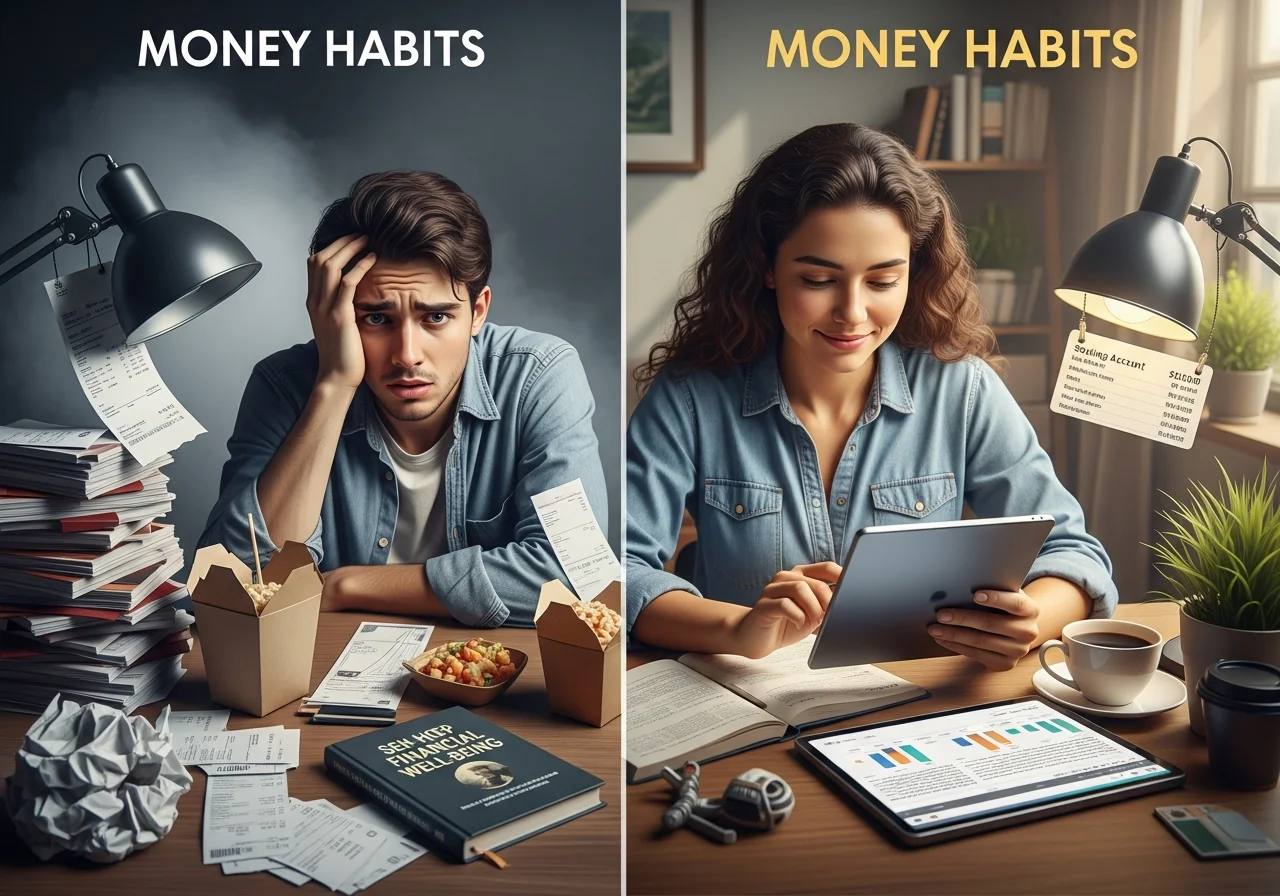
A lot of people don’t know how closely money habits and happiness are connected. Most people think of money as a way to feel safe and have more opportunities, but how we use it can change how we feel about ourselves. Our money habits affect our stress levels, relationships, bank accounts, and ability to enjoy life. Good money habits help you enjoy life more than just having enough money.
One of the most obvious links between happiness and money habits is that they can help you relax. If you don’t manage your money well, you usually end up in debt, miss payments, and worry about the future all the time. These stresses are bad for mental health and make people anxious, which makes other parts of their lives worse. But on the other hand, habits like budgeting, saving, and living within your means might make you feel better. When people know their bills are paid and they have a safety net for emergencies, they may focus on experiences and relationships instead of money problems.
Another connection is that good money habits give you a sense of control. A lot of the time, happiness comes from feeling like you can do something instead of feeling like you can’t. People feel more in control of their money when they keep track of what they spend, set goals, and make decisions on purpose. Having this sense of control makes people happier in general. It’s not how much money you make that matters most; it’s how well you can handle it and use it to reach your own goals.
Money habits can also make you happier by giving you more chances. If you save money regularly and invest it wisely, you can have experiences that make your life better, like going to school, traveling, or following your passions. These opportunities aren’t just about getting things; they’re also about making memories and growing. People who make plans that put long-term goals first usually find that they can enjoy life more because they don’t have to worry about money all the time.
Being generous is something that money habits and happiness have in common. Studies have shown time and time again that giving, whether it’s money to charity or helping family and friends, makes people feel better. You can only be generous if you know how to handle money well. People who plan to give or set aside money for causes they care about are happy without the pressure of going overboard. Being disciplined with money lets you do nice things that make both the giver and the receiver happy.
The link between happiness and how you spend your money also applies to relationships. Couples fight a lot over money issues, and bad habits can make these problems worse. Couples who are honest with each other, talk about money, and set goals together usually have stronger relationships. People are happier when they have good money habits because they build trust and lower conflict. On the other hand, keeping things secret or not managing them well can break trust and cause stress that lasts for a long time.
Another thing is the role of delayed pleasure. Happiness doesn’t always mean getting what you want right away. A lot of the time, it’s about knowing that what you give up now will be worth it later. Saving for retirement, going back to school, or starting a business are all habits that take time but will make you happy in the long run. People who put their long-term health and happiness ahead of short-term pleasures feel more fulfilled because they see their hard work pay off in the form of lasting security and freedom.
Your money habits can also make you unhappy by affecting the decisions you make about how to live your life. If you live beyond your means, you may get stressed and go into debt. If you live below your means, you may become more flexible and strong. People who make routines that put sustainability ahead of excess are often happier because they don’t always want to buy or show off the next thing. They are happy because they are stable and free, not because they are better than or worse than others.
Technology makes it easier than ever to form habits that make you happy. Tools that automate saving, keep track of expenses, or give financial advice make things easier and take some of the stress off of having to keep an eye on everything all the time. These plans help people stick to their goals and stay on track, which means they can have fun instead of worrying about money. Using technology to help you manage your money better makes you more productive and less stressed.
It’s also important to think about how your money habits affect your mental health. People feel good about themselves when they see that they are making progress, like when they save money, pay off debt, or reach a goal. This progress keeps people going and makes them feel good about themselves. Not only does making money make you happy, but so does sticking to good habits that give you confidence and pride. Every step forward makes you happy.
People are happy for more than just money. Many people who don’t make a lot of money are very happy because they are careful with it. People who are very rich, on the other hand, can feel stressed all the time if they don’t take care of themselves. How you spend your money is what makes you happy, not how much you have. Healthy habits give you stability, confidence, and opportunities, no matter how much money you have.
Ultimately, the relationship between happiness and money habits hinges on alignment. When you make financial choices that are in line with your values and help you reach your long-term goals, money and life are balanced. This alignment reduces stress, boosts confidence, and encourages people to be more generous, all of which make them happier. Bad habits, on the other hand, make things worse, make you unsure, and make you miss out on opportunities, which is bad for your health even if you have a lot of money.
In the end, happiness and how you handle money are closely related. How we deal with money has an effect on how we feel about ourselves, our relationships, and how much power we have. We can improve our finances by developing habits that value discipline, long-term thinking, and giving to others. It’s not about being perfect on the road; it’s about being the same all the time. Every good habit makes your life more secure financially and personally.